UNICEF and the Cow
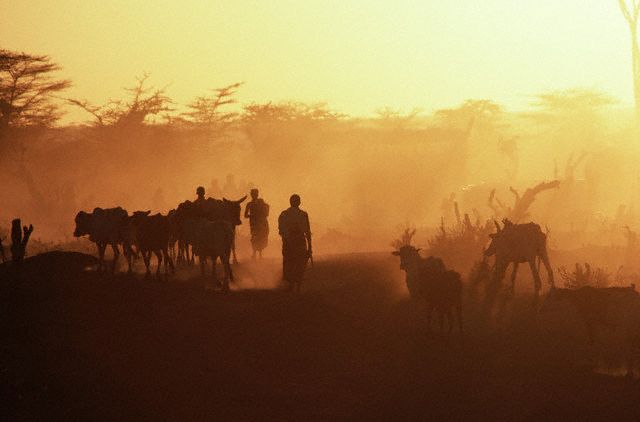
Ever since rinderpest (bovine plague) was accidentally introduced into Africa in the 1880s, it has periodically wiped out vast herds of cattle and wildlife in much of Africa, causing untold hardship and occasional famine.
Now the United Nations Food and Agriculture Organization is reporting that they have made tremendous progress in eradicating the disease all over the world and rinderpest may, in fact, be totally wiped out within the next few years.
An interesting story here is how Sudan came to become rinderpest-free.
In 1982-84, a rinderpest outbreak in Africa caused losses of over $2 billion. In the late 1980s, when UNICEF came to the Sudan to vaccinate children, it encountered resistance, especially in the south where rinderpest had hit hardest. "Vaccinate our cattle and then you can vaccinate our children," UNICEF authorities were told, "because if our cattle die, then our children will die anyway." UNICEF listened and embarked on an aggressive cattle vaccination program, and today Sudan is rinderpest-free. The last pockets of rinderpest in the world are now believed to be in remote parts of Ethiopia, and are being aggressively targeted.
Rinderpest has a direct impact on wildlife, as it can be transferred to wild buffalo, giraffe, eland, kudu, and bush pig and this in turn can result in population crashes which can also impact large predators such as lion, leopard, and hyena. The presence of rinderpest also discourages the raising of livestock, which in turn puts more pressure on wild game (bush meat) populations.
posted by PBurns @ 11:48 AM


<< Home